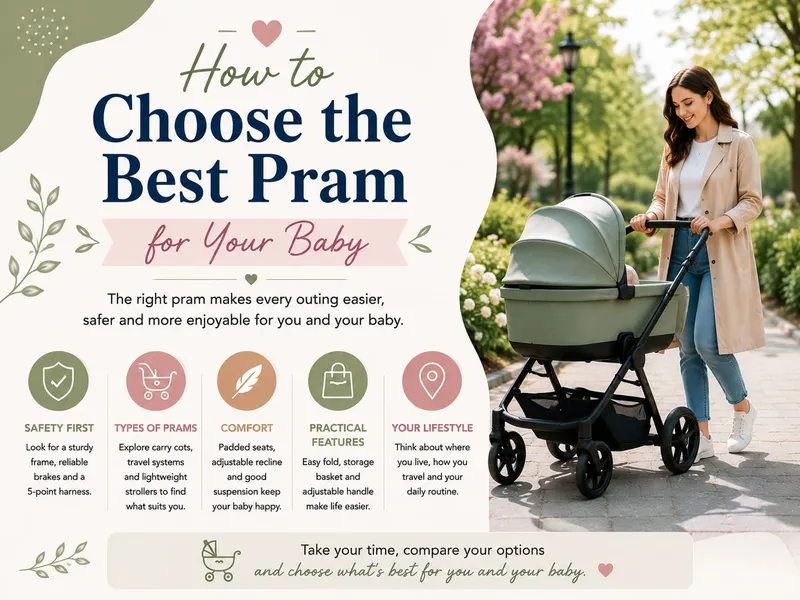
Finding the right pram for your family
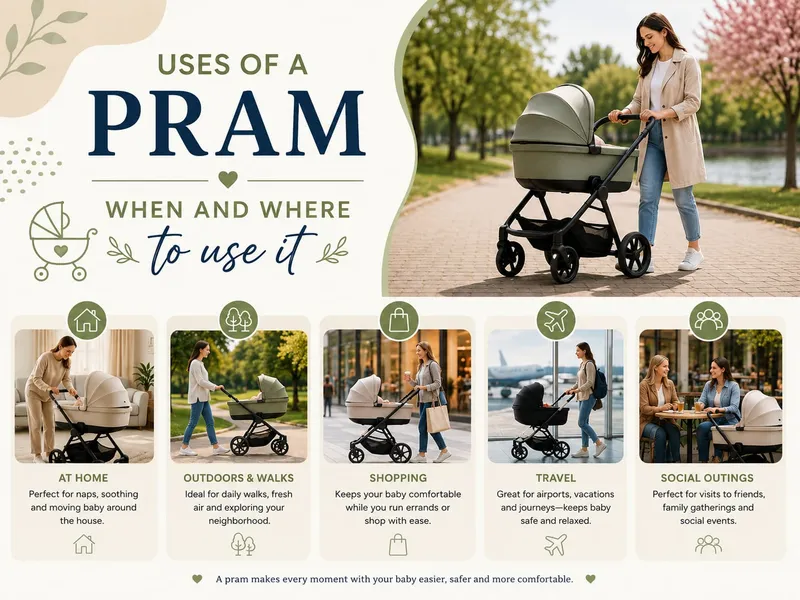
Choosing a pram can feel overwhelming, but it becomes manageable when you focus on what matters to you and your baby. You’ll decide about newborn suitability, practicality and where you’ll use the pram — pavements, country walks or public transport in the UK. This guide helps you weigh those choices.
You’ll get clear explanations of pram types, safety checks, practical features like wheels and folding, plus budget and buying options across the UK, including UK retailers. Use the checklist to try before buying.


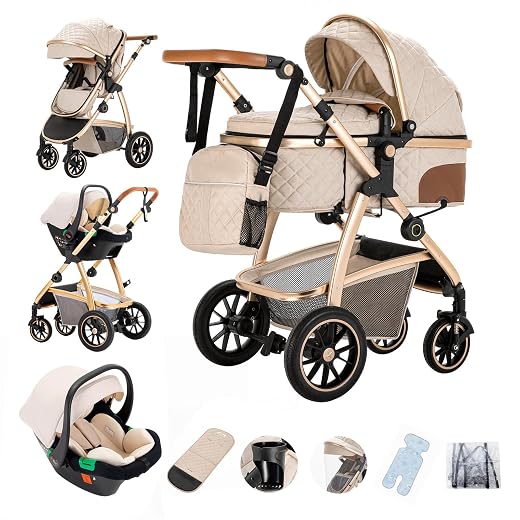

Newborn Stroller Guide: Bassinet
Start with your lifestyle: where and how you’ll use the pram
Map your daily routes
Begin by picturing a typical week. Ask yourself:
Who will be using it and where it lives
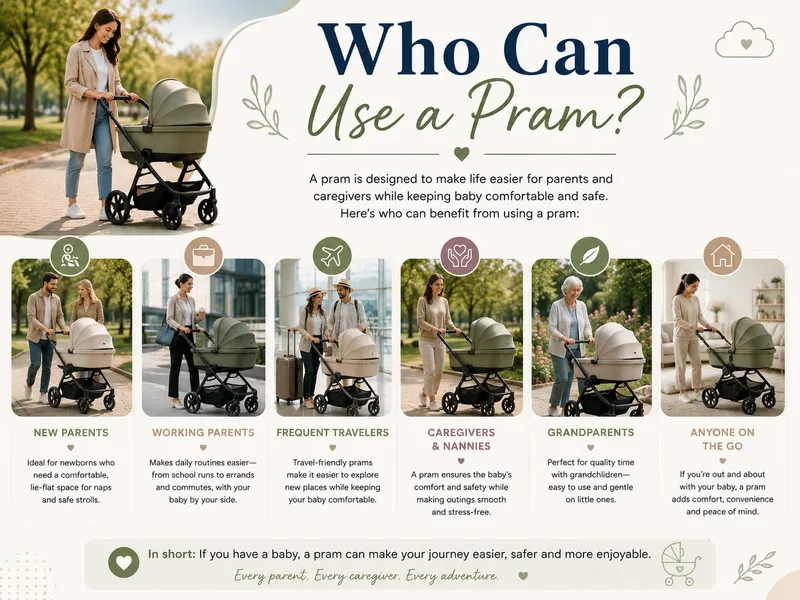
Think beyond yourself: can your partner easily fold it? Will grandparents manage the weight? Measure your hallway, stairwell and car boot — try folding it into your car before buying if possible. Consider lift access and storage in a city flat versus a suburban garage.
Families, twins and travel systems
If you need a car‑seat travel system, check compatibility with brands like Maxi‑Cosi. For siblings close in age, weigh up tandem or side‑by‑side doubles (Silver Cross Wave or iCandy Peach siblings are common choices in the UK). Also think about future resale value — popular models hold value well on sites like Facebook Marketplace and eBay UK.
These lifestyle choices will quickly narrow the types and features you prioritise; next, we’ll explore pram types and newborn needs.
Understand pram types and newborn needs
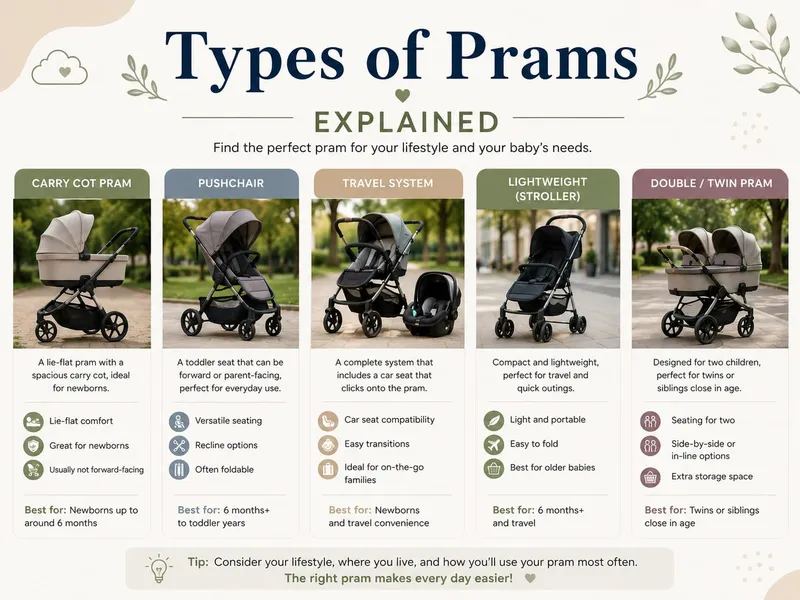
Main pram types at a glance
You’ll find four common types that suit different family routines:
Newborn essentials: lie‑flat and sleep safety
Newborns need a flat sleeping surface for spine alignment and clear airways. Look for:
Travel systems and car‑seat compatibility
If you’ll transfer baby from car to pram, check i‑Size or manufacturer approvals (Maxi‑Cosi, Cybex standards are common in the UK). Adapters must click securely and install easily so you’re not wrestling on a rainy school run.
Quick practical tips
Safety, standards and practical checks to make
Look for recognised standards and car‑seat compatibility
Safety should be non‑negotiable. Check the label for EN 1888 compliance and, if you plan to use a car seat, i‑Size or specific manufacturer approvals (Maxi‑Cosi, Cybex). In store, click any car seat onto adapters several times to ensure a solid, audible fit — fiddly adapters are a rainy‑day nightmare.
Harnesses, brakes and low‑light visibility
Make sure the pram has a secure five‑point harness and easy‑to‑operate, robust brakes you can use with one foot. Reflective panels or piping aren’t luxury in autumn and winter — they make you visible to drivers and cyclists on dim towpaths and narrow pavements.
Test moving parts and real‑world behaviour
Try these simple checks before you buy:
After‑sales, warranty and reviews
Consult Which? tests and user reviews on John Lewis & Partners, Mamas & Papas or independent retailers. Confirm warranty length, spare‑part availability and whether the shop offers assembly or servicing — these save time and money later.
Next, you’ll want to compare practical features like wheels, folding and boot space to match your everyday routes.
Practical features: wheels, fold, weight and storage
Wheels and terrain
Think about where you’ll push most days. Large air‑filled or foam‑filled wheels soak up bridleways and park paths but add bulk and can puncture; small swivel wheels make tight London pavements and shops a breeze. If you cycle‑lane commute or walk towpaths, test the suspension and wheel locks — you don’t want a bouncy ride or a pram that drifts on uneven ground.

Fold, weight and lifting
If you’ll be juggling a sleeping baby and shopping, look for a reliable one‑hand fold. Try the fold in store — time it, repeat it. Check folded dimensions against your car boot (measure your VW Golf or Ford Fiesta boot) and any narrow cupboard at home. Weigh the pram; lightweight travel strollers (around 6–8kg) suit stairs and public transport, while full‑size models (10kg+) are sturdier but heavier to lift.
Storage, handles and seat options
Size up the shopping basket — will a nappy bag and supermarket shop fit? Look for adjustable handles so partners of different heights can push comfortably, and a reversible seat so your newborn can face you before flipping to face‑out as they grow.
Quick checklist: one‑hand fold works, folded size fits boot, basket large enough, handle height adjusts, wheel type matches your routes.
Budget, buying options and where to look in the UK
Set a realistic budget
Decide what you can comfortably spend before you fall for features. Expect basic travel buggies from about £100–£300, mid‑range modular systems £300–£700, and premium prams £700+. Remember systems with a car seat or carrycot cost more. Add roughly £30–£150 for essential extras (see below).

New or second‑hand?
Buying new gives you warranties, hygiene peace of mind and clear returns from retailers like John Lewis or Mamas & Papas. Preloved options on eBay, Gumtree or local Facebook Marketplace groups can save big, but always:
Check gov.uk product recalls or the manufacturer’s site for safety notices before you buy.
Factor in extras and retailer perks
Must‑have add‑ons: rain cover (£10–£40), footmuff (£20–£70), car‑seat adapters (£20–£80). When comparing shops (Argos, Boots, independents), weigh in extended warranties, free assembly, demos and reliable customer service — a helpful retailer can save you time and stress later.
Where you shop affects convenience and long‑term satisfaction, so balance price with support and protection.
Try before you buy and a practical buying checklist
In‑store tests to run
Always test a pram in person if you can. Take it to your car park and do a car‑boot test to make sure it fits—bring your boot measurements or try it in a typical Tesco or Sainsbury’s car park. Try folding and unfolding with one hand, and push it over uneven pavement or cobbles near the shop to feel the ride. Put a shopping bag or a 5–8kg weight in the basket to check stability and braking.

Ask the right questions
Ask staff to demonstrate fitting and removing car seats or carrycots, and request clear advice on maintenance — tyre care, lubrication and fabric cleaning. If you’re leaning to a specific model (Bugaboo, iCandy, Silver Cross), ask for common service issues and local authorised service centres.
Final practical checklist
If buying online, read returns policies and recent customer reviews so you’re comfortable with the purchase before you click — then move on to the final decision.
Make a confident choice for your baby
Choosing the best pram comes down to matching features to your daily life, safety expectations and budget. Use the checklist, try models in person at John Lewis or independent baby shops, and focus on newborn suitability, reliable brakes and good suspension for UK pavements and parks.
Shop with UK retailers who offer strong after‑sales support, consider pros and cons, and you’ll soon have a pram that keeps your baby comfortable and life simpler.
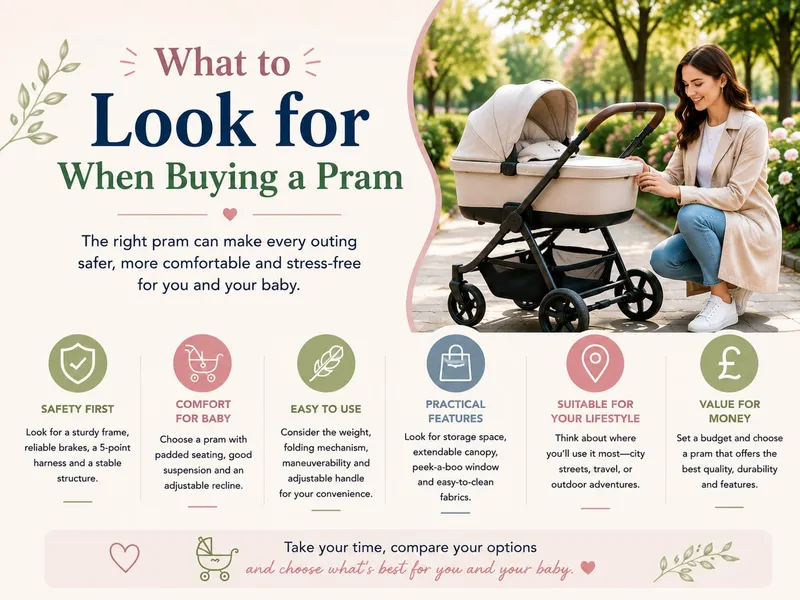
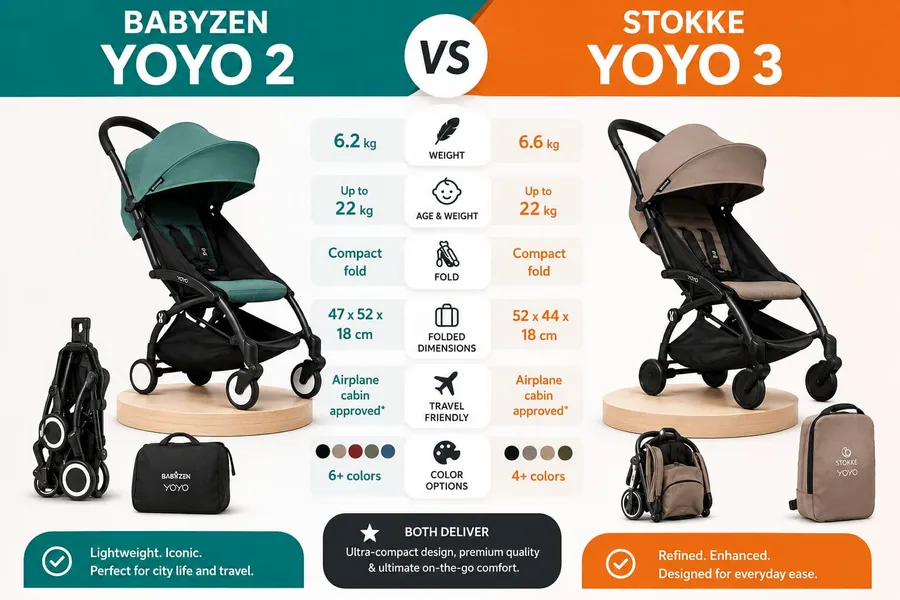

Long post but worth it. I really appreciated the ‘Try before you buy’ chunk — I nearly bought online without testing the fold mechanism and later regretted it. The Graco EZLite looked so light in the photos but the handle felt awkward in the shop. Note: measure your car boot first! Also, does anyone know if the 3-in-1 Lightweight Pram (Car Seat Included) fits compact cars? I’m in a Fiesta so space is tight.
Agree on tester handle feel. Also check height — the handle being too low for your posture will get old fast.
Good tip about the boot measurement, Mark. The 3-in-1 Lightweight Pram can be bulky depending on the brand, even when folded. For small cars, look for ‘compact fold’ in the specs or try it in-store to be sure.
Noticed the same with photos — online images lie! Try folding/unfolding a few times in the shop to see how long it takes with one hand.
I have a Fiesta — the Red Kite Push Me Explor was a life-saver: cabin-size stroller and actually fits the boot with a suitcase sometimes. The 3-in-1 I tried was a squeeze.
Practical features section made me re-evaluate my priorities. I used to want the lightest fold, but now after a year I care more about storage and a decent hood. My current debate is: big basket vs lighter frame? Anyone swap strollers because of basket space?
Balance is key: big basket often means heavier frame. If you drive a lot, heavier might be fine; if you carry the folded stroller, not so much.
Swapped once for basket reasons — life improved immediately. My buggy had tiny underseat pockets and I regretted it every supermarket run.
Basket space matters more than people expect — especially with toddler extras. If you shop with groceries or a diaper bag, aim for a deeper, accessible basket and check access when seat is reclined.
Just a quick silly observation: why do pram colours feel like they’ve been chosen by accountants? 😂 Would love more bold prints. Also, considering the Red Kite Push Me Explor because of the cabin-size claim — anyone used it during plane travel in the UK to Europe? Curious about gate-check vs cabin.
Took a Red Kite on a short-haul flight. Fit in the cabin for us, but another family had to gate-check the same model — so it depends on the plane layout.
If you’re picky about colours, some brands do limited edition fabrics. Worth hunting around smaller boutiques!
Ha — fashion for prams could be bolder! The Red Kite Push Me Explor is marketed as cabin-size for many airlines, but individual gates and cabins vary. Always check your airline’s dimensions before flying — and be prepared to gate-check if the cabin is full.
Really useful roundup — thanks! I never realized how much my lifestyle would affect the choice. We need something for pavements and occasional rough park walks, so the Hauck Runner 3 with handbrake sounds tempting. Anyone used it in muddy conditions? Also appreciate the buying checklist section, made me write down what I actually need vs what’s just shiny features.
Glad it helped, Laura! The Hauck Runner 3 is built for mixed terrain but expect the wheels to need a rinse after muddy days. The handbrake is handy on slopes. If you want heavy mud resistance, look for bigger air-filled wheels.
If you’re toggling between pavements and parks, consider a travel system with decent suspension. The Runner is a good compromise imo.
We’ve got the Hauck Runner — it’s fine on grass and gravel but not a muddy bogger. Quick tip: bring a small brush and a wet wipe for the wheel hubs after the park.
Constructive note: could the article include a quick checklist for grandparents? My in-laws are confused by modern pram setups and that mini list would make handovers less stressful. Otherwise great guide — I liked the section on practical checks like harness wear and wheel wobble.
Thanks Maya — that’s a lovely idea. We’ll consider adding a simple ‘grandparent-friendly’ checklist: how to fold/unfold, where the brakes are, and how to attach the car seat.
Make it big print too 😅
Yes please! Even a laminated one-page sheet would help. My mum struggled with the two-stage fold thing.
Love the chart comparing pram types. For our family (city living, lots of public transport), the Red Kite Push Me Explor cabin-size and the Graco EZLite were at the top of the list. Ended up buying the Graco because of the slim fold and recline options. Quick tip: test it with your winter coat on — handles can get awkward with layers.
Public transport users: check folding time. If it takes ages, you’ll stress at rush hour.
I tested prams in a winter coat and it made a HUGE difference. Also try the shopping straps and see how easy it is to clip bags without tipping.
Great practical tip about coats! Bulk clothing can change how the harness fits too. Glad the chart was useful in narrowing choices.
Wow, safety section hit home. My partner and I didn’t realise how many safety standards there are until now. I liked the practical checks — like wheel locks and strap condition. Little tip: wipe and inspect before buying second-hand. Also, if you’re buying online in the UK, don’t forget to check returns policy and who pays postage for returns!
Exactly — second-hand bargains can be great but check recalls and wear-and-tear. UK consumer rights vary by seller; always read returns and warranty info before purchase.
Agreed. I bought a used pram and later found a recall notice online — painful. Check gov.uk recall pages and the manufacturer’s site.
One more personal note — support networks are underrated. I used the buying options section to find a local baby show where I could test the Kinderkraft and Graco side by side. Saved me hours of back-and-forth. Also, a shoutout to second-hand shops in the UK — you can find real bargains if you’re patient.
Same — found a nearly-new Graco through a local sale page. Patience + alerts = success.
Love that you tried a baby show — they’re great for rapid comparisons. In the UK, many shows also have demo areas so you can try rough terrain rollers too.
Helpful article. Quick question: for newborn naps in the pram, which ones from the list are actually suitable from birth? I know some ‘travel strollers’ are only from 6 months. Gcarebb 3-in-1 says ‘with car seat’ — does that mean it’s newborn-ready?
I used the Kinderkraft ESME from birth — it came with a car seat and a bassinet attachment. The Gcarebb systems I looked at seem similar, but double-check the weight limits.
And remember: even if it’s ‘from birth’, newborns need proper support and a flat surface. Car seat for short naps, bassinet for longer ones.
Good question, Zoe. Models labeled ‘3-in-1’ or ‘with car seat’ often include a newborn car seat or bassinet option, so they can be used from birth. Check the product description for ‘from birth’ or ‘suitable from 0 months’. Always confirm the lie-flat option for safe naps.
Small rant: online product pages sometimes show ‘from birth’ but the bassinet is sold separately. Why do sellers do this? Felt misled when I thought the car seat was included. Learn to read specs like a lawyer, folks. Also, the Kinderkraft ESME had good reviews for build quality if anyone’s comparing materials.
Yep, always look for the phrase ‘includes’ or ‘comes with’ and not assume. Ask the retailer to confirm in writing if unclear.
You’re not alone — disclosure is annoyingly inconsistent. We recommend checking the exact box contents and product codes before purchase, and save the product page screenshot just in case.
Budget section was gold. For anyone on a tight budget, check local buy/sell groups and the NHS parenting forums — parents upgrade quickly. But honestly, don’t skimp on safety bits like harness condition. P.S. lol at the ‘try before you buy’ — my toddler had other plans when we tested prams in-store 😅
Totally — second-hand is a great option if you check the basics. And yes, bring snacks or a distraction for in-store testing 😂
Also ask about original receipts and manuals if you’re buying used — helps with possible recalls or replacement parts later.
We got a practically-new pram off a local selling group and saved a ton. The seller sent lots of photos and the harness straps looked unused.
Anyone compared the Gcarebb 3-in-1 Travel Pram with Car Seat vs the Gcarebb 3-in-1 Travel System with Accessories? Sound like the same thing with a different marketing spin. I’m annoyed that manufacturers have so many near-identical SKUs.
You’re right to be suspicious — sometimes the difference is in included extras (e.g., raincover, footmuff). Check the package contents list closely and compare warranty/retailer deals.
Call customer service and ask exactly what’s included. It saves surprises when the stroller arrives.
I compared two models once — one had a tiny accessory pack that made the price higher, haha. Read the fine print!