Last updated on June 13th, 2026 at 01:46 am
Why this guide matters for your pushchair setup
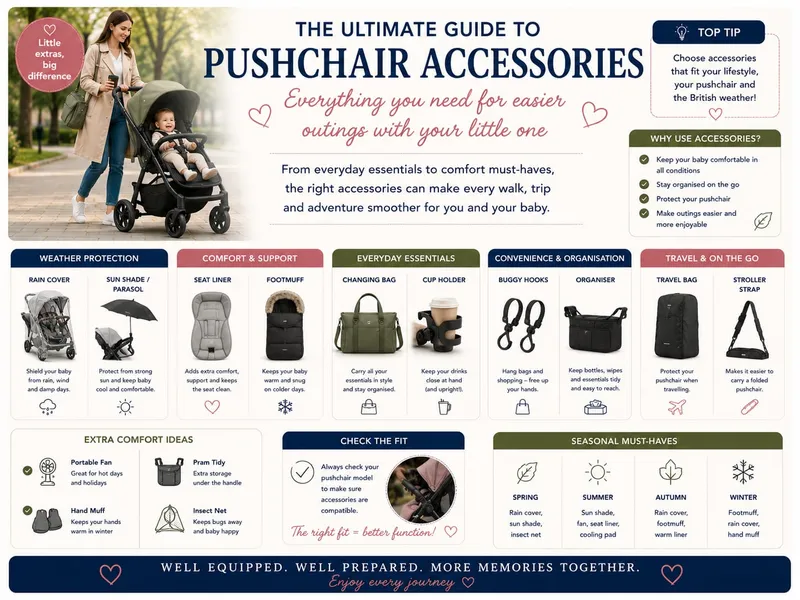
You want to get the most from your pushchair without clutter or wasted cash. This guide shows you how to separate genuinely useful accessories from gimmicks, and how to make choices that suit busy UK family life.
You’ll learn how accessories affect safety, comfort and resale value, which items are must‑haves, which are nice‑to‑have, and which are money wasters. Practical tips cover UK safety standards, high street and online shopping (John Lewis, Mamas & Papas, eBay), and buying second‑hand responsibly.
Read on to make confident, practical decisions whether you’re buying new, accepting a hand‑me‑down, or hunting bargains at a car boot or Facebook Marketplace, and save time, effort and money for life.


How accessories actually affect safety, comfort and value
Why it matters beyond aesthetics
Accessories aren’t just about matching colours — they change how your pushchair performs every day. The wrong add‑on can reduce stability, foul a harness, or create overheating; the right one can keep your baby dry, sleepier and safer on dusk walks.
Safety: what to watch for
Look for UK safety cues: BS EN 1888 compliance, a visible UKCA mark, a secure 5‑point harness and clear manufacturer notes on weight limits and stability. Beware accessories that attach to the handlebar or hang heavy shopping bags — they shift the centre of gravity and can tip a pushchair. Also watch for soft, bulky liners that gap the harness or create a suffocation risk in newborn carrycots.
Comfort and thermal management
Breathable materials, vent panels and anti‑condensation design matter. A raincover might keep rain out but can trap heat if it has no vents — look for designs that channel airflow. Footmuffs and liners add warmth, but check they don’t interfere with harness slots or recline functions. Real example: a cosy fleece liner that won’t thread through harness slots is nicer-looking than a slimmer, harness‑compatible design that keeps your child secure.
Practical value and resale
Think about real‑world convenience: a roomy basket with a 5–10kg rating beats fancy cup holders for daily shopping. Car‑seat adapters, travel system compatibility and a compact, quick fold often add far more resale value than decorative extras.
Quick checklist: prioritise by lifestyle
Next, you’ll find the essential “must‑have” accessories that match these safety, comfort and value priorities.
Must‑have pushchair accessories you really need
Weather protection: full raincovers & sunshades
A proper full raincover that fits your pushchair’s shape is non‑negotiable in the UK. Look for sealed seams, vent panels to avoid condensation, and easy‑access zips for nappy changes. For sun protection, choose a sunshade or hood with UPF 50+ and a secure attachment that won’t flap in the wind.
Warmth & comfort: footmuffs and liners
A good footmuff (or a harness‑compatible thermal liner) keeps baby warm on crisp morning school runs. Prioritise removable, machine‑washable liners and fleece or technical insulation that dries quickly. Check manufacturer notes to confirm harness slot positions won’t be blocked.
Travel compatibility: car‑seat adapters & travel systems
If you plan to use a car seat as part of a travel system, buy universal or branded adapters verified by the pushchair maker. Always cross‑check compatibility lists on John Lewis, Mamas & Papas or Argos product pages and the car‑seat manufacturer site. Adapters are one place you should avoid generic bargains—fit and safety matter.
Safety & fit: harness pads and tethering
Quality harness pads reduce rubbing without adding bulk that gaps the 5‑point harness. Buy pads with non‑slip backing and short seams. Also consider a wrist strap or additional tethering if you regularly carry shopping or a baby bag.
Practical everyday: cup/bottle holder & organiser
A sturdy cup/bottle holder for adults (and one for older children) is surprisingly useful. Pick rigid, wide‑mouth holders that attach securely to the chassis and are easy to remove for cleaning.
Buying tips & how to spot safe, washable gear
Quick cost vs benefit
Next, you’ll see the nice‑to‑have extras that often earn their place depending on your routine.
Nice‑to‑have accessories that often earn their place
These extras aren’t essential, but they can make life noticeably easier if your routine matches. Below are practical notes, short examples and quick buy/save tips for each.
Compact travel bags for holidays
If you fly or store your pushchair in a car boot, a padded travel bag (e.g. Babyzen YOYO travel bag or universal wheeled travel covers sold on John Lewis/Amazon UK) protects wheels and fabrics.
When it’s worth buying:
Where to save:
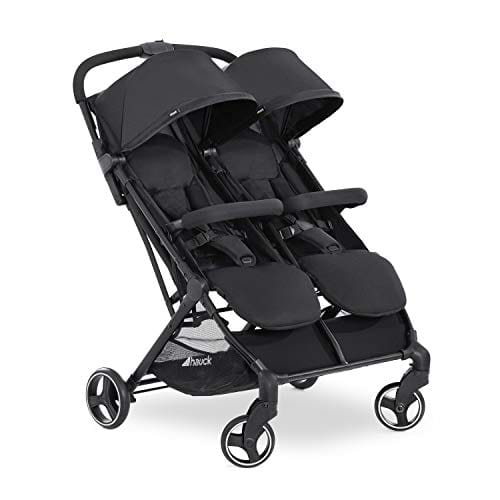
Rain covers tailored to tandem/double buggies
Double buggies need bespoke covers (Mountain Buggy Duet or Phil & Teds style raincovers) to avoid gaps and condensation.
When it’s worth buying:
Where to save:
Phone holders and organisers
A weather‑resistant phone mount or compact organiser keeps maps, keys and transit cards to hand — handy on busy commutes or when using contactless payments.
When it’s worth buying:
Where to save:
Pushchair organisers & cup holders
Slimline organisers that attach to handles (Mamas & Papas, Joie) keep essentials reachable without overhanging the chassis — pick narrow clamps suitable for UK pavements and café seating.
When it’s worth buying:
Where to save:
Sun parasols & mosquito nets
Clip‑on parasols with UPF 50+ and universal mosquito nets are brilliant for holidays or parks (useful for UK summer beach days and trips to sunnier climates).
When it’s worth buying:
Where to save:
Travel‑friendly foldable changing mats
Compact, wipe‑clean changing mats (Skip Hop or Mamas & Papas roll‑up designs) are lighter than bulky changing bags and stow easily in pushchair baskets.
When it’s worth buying:
Where to save:
Money wasters: what to avoid and why
You’ve seen the cute ads — clip‑on gadgets, branded extras and novelty liners. Many sound useful but in real UK life they clog up your pushchair, don’t fit in a narrow doorway, or fall apart after a soggy school run. Below are the common traps, how to spot them and what to buy instead.
Novelty organisers that block ventilation
Big, padded organisers or faux‑fur liners look cosy but can cover side vents and trap sweat on warm days — bad for baby and smelly for you. Beware items with no breathability spec or “hand‑wash only” care labels (won’t survive daily mess).
Expensive branded extras you can replace
Brand‑name cup holders, furs and foam footmuffs from premium brands (think high‑street Bugaboo/Silver Cross add‑ons) often cost 2–3× more than universal alternatives sold by John Lewis, Argos or Amazon UK — and perform the same.
Over‑specific gadgetry that rarely fits
GPS trackers, stroller‑mounted bottle warmers and brand‑specific adapters can be incompatible with most chassis. If an item only fits one model or lacks clear compatibility info, it’s a red flag.
Oversized liners and bulky extras
Some liners or winter ruffs are so thick they make your stroller too wide for UK pavements, café aisles or tight bus doors. If a product adds bulk, test it in doorways and on public transport if possible.
Single‑use novelties that disappear or stain
Themed toys, limited‑edition fabric covers or decorative clips are charming until they’re dropped in puddles or left on school gates. If it’s small and non‑washable, expect to replace it.
Quick red flags and instant alternatives
Spot the signs before you buy — you’ll save space, cash and hassle on the school run.
How to choose accessories that match your lifestyle and pushchair
Start with a quick lifestyle checklist
Think like a detective: note your typical UK week — rainy commute, muddy park runs, tram or Tube journeys, narrow shop aisles, and where you store your pushchair. Ask yourself:
Measure, then buy
Measure your pushchair folded and unfolded (width, height, folding method). Check the make/model — Babyzen YOYO2, Bugaboo Cameleon, Silver Cross Wave and iCandy often have many compatible accessories; some smaller brands don’t. If an accessory claims to fit “most” models, ask for exact measurements.
Fabrics, fastenings and cleaning
Choose hard‑wearing, machine‑washable fabrics (polyester blends, performance cottons). Avoid hand‑wash‑only liners if you do muddy school runs. Look for:
Questions to ask in store
A simple 0–15 scoring method to prioritise purchases
Score 0–3 on five criteria: Weather need, Compatibility, Washability, Storage/Portability, Cost vs value.
Total ≥11 = buy now. 7–10 = useful (wait for sale). ≤6 = skip or seek cheaper alternative.
Warranty & returns — UK specifics
Remember your 14‑day cooling‑off rights for online buys under Consumer Contracts Regulations, but check seller policies on used items (eBay/Gumtree differ). Keep receipts for manufacturer guarantees.
Next, you’ll learn where to buy, try and test these items across UK high street, online and second‑hand options.
Where to buy, try and test in the UK — high street, online and second‑hand
High street and specialist shops: try before you buy
Visit John Lewis, Mamas & Papas or Argos to test fit, feel fabrics and check folding with accessories attached. High‑street pros: you can try the pushchair with a rain cover, cup holder or footmuff fitted, get immediate staff help, and often benefit from easier returns. Specialist baby shops and local independents will usually fit brand‑specific adapters (e.g. Maxi‑Cosi car seat adapters for Silver Cross or Babyzen YOYO2) and offer hands‑on advice.
Tips:
Online: brand sites, Amazon and baby retailers
Buying online (brand websites, Amazon, Very, Pushchair Company) gives variety and often better prices. Brand sites (Bugaboo, Babyzen, Silver Cross) sell matched accessories that you know will fit; Amazon and specialist retailers can be cheaper but check seller ratings and returns.
Tips:
Second‑hand: where to look and what to inspect
Good bargains turn up on Facebook Marketplace, eBay, Gumtree, Preloved and NCT Nearly New Sales. Before you buy, inspect:
Hygiene checks and safety:
Use store testing and return policies to avoid costly mistakes, then move on to the final steps in your accessory shopping plan.
Wrap‑up: practical next steps for smarter accessory shopping
You now know to prioritise safety and everyday comfort first, splash out on items you’ll use daily (raincover, quality harness, good wheels) and save on trendier extras. Before buying, run this checklist: measure your pushchair and boot space, map your usual UK routes (shops, pavements, public transport), check compatibility, read reviews and compare prices.
Make a realistic list based on your routine, test key items in-store at John Lewis, Mothercare or indie baby shops when possible, and consider eBay, Facebook Marketplace or local NCT sales for non-safety items. Start small, buy what you need first, and upgrade later — smarter shopping saves money and stress. Now measure, list and test — then enjoy a better walk or commute with your child today.



Loved the parts about trying things on the high street and second-hand — saved me so much money. Bought a Universal Pushchair Rain Cover for All Weathers from a charity shop once (brand new in packet!!) and it survived 3 storms. 🙌
Minor typo spotted in the ‘Where to buy’ section but overall great. Also — the Hauck Breathable Padded Pushchair Seat Liner was perfect for summer, breatheable actually helped with sweat. Would buy again. ps: velvet footmuff = life.
It was a small vintage/charity chain near Camden — totally luck tho. Try local FB marketplace too!
Which charity shop was it? I rarely find anything that good. 😩
Thanks for the heads-up on the typo — we’ll correct that. Great score on the rain cover find! Second-hand is underrated.
Love hearing success stories. I keep meaning to check the local baby markets but always run out of time.
Anyone got experience with the word ‘universal’? The Universal Waterproof Footmuff and Universal Pushchair Rain Cover for All Weathers sound perfect but I’m paranoid about compatibility. My pushchair is a 2019 compact frame — will universal actually fit? 🤔
Good question, Hannah. ‘Universal’ typically covers most standard frames, but differences exist in harness slots and bumper bar placements. Check the product listing for harness slot measurements and compare with your pushchair. If possible, try in-store or buy from a seller with a good returns policy.
I had the same worry — looked at measurements on the Amazon listing for the footmuff and it matched my seat. Also emailed the seller once and they replied quickly with dimensions.
Tried the Large Universal Pram Organiser with Insulated Holders last month — legit kept bottles warm for an hour on a chilly walk (tested scientifically by me = put hot water in bottle then waited 😂). The organiser has decent pockets and felt solid.
Minor gripe: the strap clip is a bit clunky on my stroller bar, but nothing that ruins it. Overall worth the price if you carry bottles and snacks.
Thanks for the mini-review, Daniel. Good to hear about the insulated holders — we’ll note the strap-clip fit issue in the product notes so others know to check compatibility.
Short and sweet: Hauck Breathable Padded Pushchair Seat Liner = brilliant for hot days. Easy to remove and wash. No drama.
Really thorough guide, enjoyed the safety vs comfort breakdown. One thought: could you include a short comparison chart of the Amazon products you mentioned? I want to see which footmuff is warmer vs more water-resistant etc. Small wishlist item — otherwise super practical.
Also, small nitpick: the sentence about ‘how accessories affect value’ could use an example of resale value impact (e.g. which accessories actually increase resale vs ones that don’t).
Resale-wise, clean condition and original packaging help. Fancy gadgets rarely add resale value unless they’re a brand thing.
Thanks, Olivia — useful suggestions. We’ll add a compact comparison table for the Amazon items and expand the resale-value examples in the next edit.
Agreed — practical accessories like rain covers and liners are more likely to fetch a better price than novelty add-ons.
Good read. Quick question: for someone in Manchester, where’s the best high-street place to try pushchair accessories? The article mentions ‘high street’ generically but no specific chains — is Mothercare still a thing? Any recs?
Great question, Ben. Mothercare stores are much reduced, but larger John Lewis and Boots stores often carry a decent range to try. Also check out independent baby boutiques — they usually let you test fit accessories on display models. We linked a few UK chains in the ‘Where to buy’ section; I’ll expand the city-specific list soon.
Nice article. I liked the ‘money wasters’ section — so many gizmos are basically novelty items.
Biggest gripe: lots of sites just affiliate-link to the most expensive gadget and call it “must-have”. This guide actually separates safety/comfort items (like a good rain cover) from useless extras.
That said, I wish there were a short checklist printable for shopping trips. Would be handy to compare dimensions and materials on the spot.
Thanks, Tom — fair point about affiliate bias. We try to keep recommendations practical; a printable checklist is a good idea. We’ll add a one-page PDF in the next update.
Yes please! A checklist would save me from buying the 4th pointless cup holder 😅
This made me snort-laugh: ‘money wasters’ — so true. I once bought a fancy LED cup holder that flashed when it was hot. Who needs that??
Serious bit: I appreciate the balance here. The article doesn’t demonise everything expensive but flags which items actually improve safety (rain covers, good liners) vs the ones that are just bling.
Also, can we talk about warranty/return policies more? Bought a footmuff once and the zip failed after a month. Very annoying.
Agree on the warranty point — good catch. We’ll add a short section advising readers to check return policies and zips/seams during the try/test phase.
If the zip fails, sometimes the brand will replace it if you email them — had luck once with a UK seller.
Also: avoid items that require weird batteries. Pain in the arse when they die mid-walk.
Yes, check zips! I sew my own but still — testing before taking home is a lifesaver.
Flashing cup holder 😂 that’s peak useless. I imagine it would startle the baby too.
Second-hand tip: i scored a practically-new pram organiser and rain cover on Gumtree for £10. Moral of story: people move house and dump perfectly good stuff. Also, the article’s bit on cleaning second-hand items (sanitise zips, wash liners) is must-read. 😅
PS: anyone else get weird looks when taking apart a pram to clean it on the pavement? No? Just me.
If in doubt, ask for extra pics of harness slots. Saves a wasted trip.
Also ask sellers why they’re getting rid of stuff. Had someone trying to pawn off a broken hood without telling me once 😒
Haha I once cleaned a stroller in the Lidl car park — peak parent energy.
Not weird at all, you’re just thorough 😉 I do mine in the bath and hang to dry overnight.
Great thrift tip, Liam. We try to stress safety checks for second-hand buys — look for wear on straps and harness slots, and replace any damaged parts before use.
Gumtree and FB Marketplace are gold mines. Set alerts for keywords and you’ll snag stuff.
Really useful roundup — thanks! I bought the Large Universal Pram Organiser with Insulated Holders last winter and it was a game changer for walks with a baby bottle + snacks. The article’s point about not overloading the chassis is spot on.
I do wonder about sizing though — my organiser made my compact frame feel a bit wide. Anyone else had that? Also, the footmuff recommendation (Universal Waterproof Footmuff with Velvet Lining) kept my little one ridiculously cosy on freezing mornings. 10/10 would recommend.
Yep I had the same issue on my narrower buggy. Ended up using a smaller organiser from a high-street shop. Worth testing in person if you’re unsure.
Thanks for the feedback, Sophie — glad the organiser worked for you. Good tip about width: in the ‘How to choose accessories’ section we recommend measuring the handle and canopy clearance before buying, especially for compact models.
Did you try adjusting where it hangs? I found shifting it closer to the centre helped, though I was paranoid about it tipping the pram 😂