Baby Travel Systems FAQ’s – Questions & Answers
If you’re a first-time parent, you’ve probably seen the term travel system pop up everywhere — but what exactly is it? And is it the best option for your baby? This FAQ answers your most common questions so you can decide with confidence.
Here are the most common baby travel system questions answered in one place — so you can shop (and stroll) with confidence.
 What is a travel system?
 What age is a travel system suitable for?
 Are travel systems safe?
 What are the main benefits of a travel system?
 How is a travel system different from a pram or pushchair?
 Can I use the car seat on the pushchair all the time?
 Are travel systems good for travelling?
 What should I look for when buying a travel system?
 How do I clean and maintain a travel system?
 Is a travel system worth it for home-based parents?
 What is a travel system?
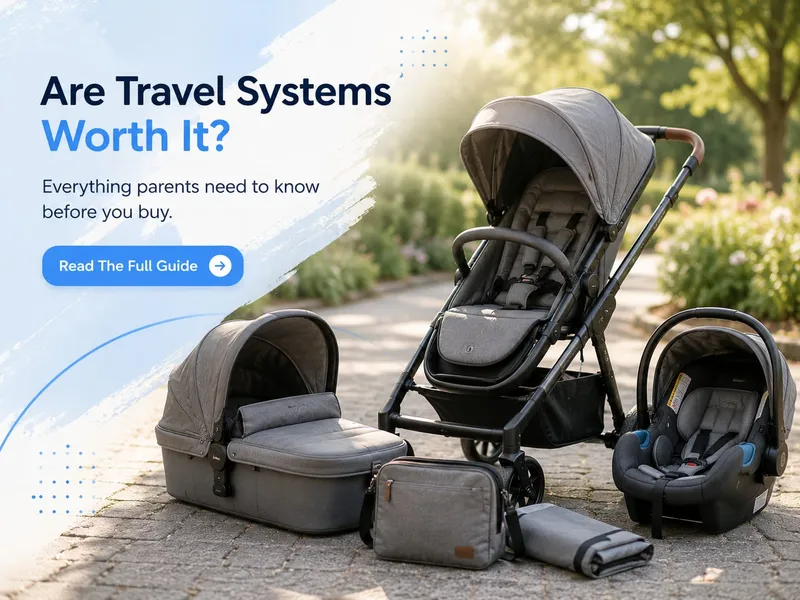
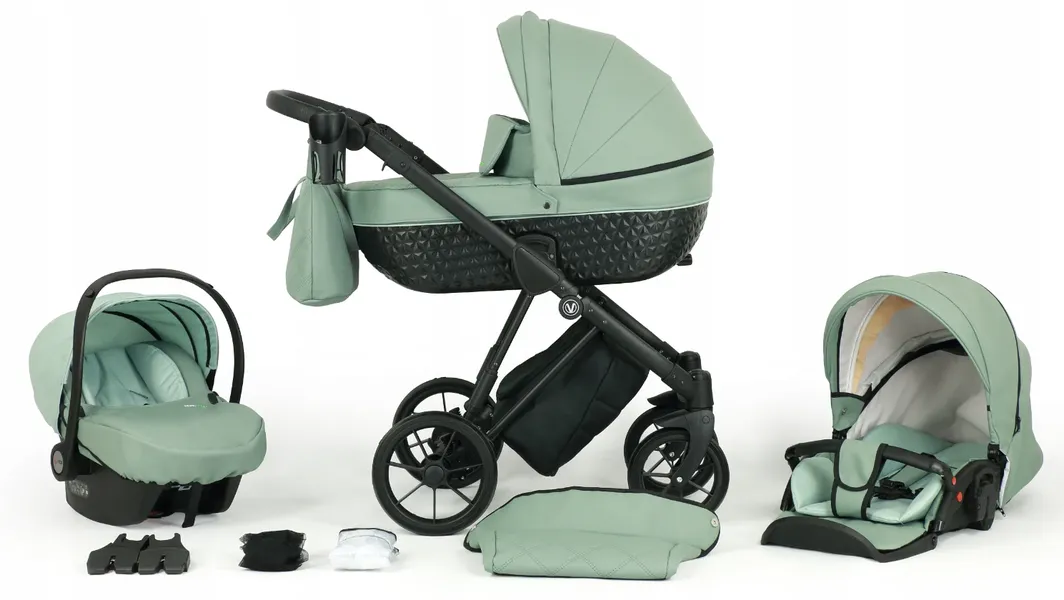
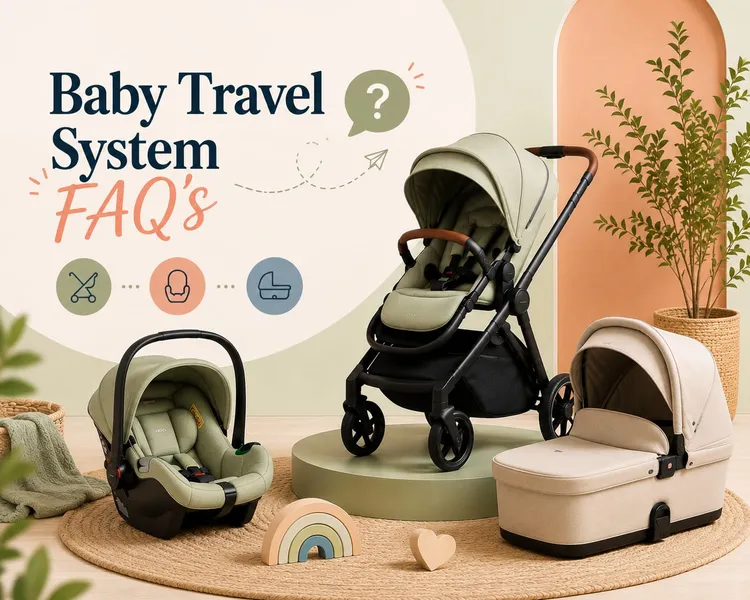
A travel system is an all-in-one baby transport solution. It usually includes:
- A pushchair or stroller frame
- A detachable infant car seat
- Sometimes a carrycot for newborns
This means you can move your baby from the car to the pushchair (and vice versa) without disturbing their sleep.
What age is a travel system suitable for?
Most travel systems are designed to be used from birth up to around 3 years old, thanks to the newborn-friendly features like:
- Flat-reclining seats
- Carrycots
- Group 0+ infant car seats (suitable from 0 to 13kg or roughly 12–15 months)
As your baby grows, you can switch to the toddler seat and continue using the same frame.
Are travel systems safe?
Yes – when used correctly, travel systems are very safe. In fact, they’re often chosen for the added convenience and safety of not waking a sleeping baby during car-to-pushchair transfers.
Here’s what to look for:
- Certified car seat safety (look for R129/i-Size or ECE R44/04 standards)
- A secure click-and-go system to attach the car seat to the frame
- A 5-point harness for both car seat and stroller seat
- Rear brakes and locking front wheels on the pushchair
Tip: Never use the car seat on the pushchair for long outings. It’s designed for short trips (less than 2 hours at a time).
What are the main benefits of a travel system?
- All-in-one solution – no need to buy a pushchair and car seat separately
- Lets you move baby from car to pram without waking them
- Money-saving bundles from trusted brands
- Compatible from birth to toddlerhood
- Often includes accessories like footmuffs, rain covers, and adapters
How is a travel system different from a pram or pushchair?
| Feature | Travel System | Pram | Pushchair |
|---|---|---|---|
| Age Range | Birth to 3 years | Birth to 6–9 months | Usually 6 months+ |
| Car Seat Included? |  Yes Yes |  No No | No |
| Carrycot Option | Sometimes | Always | Usually not |
| Longevity | Long-term | Short-term | Long-term |
| Portability | Medium (depends on model) | Bulkier | More compact |
If you want one system to handle everything from day one, a travel system is a great pick.
Can I use the car seat on the pushchair all the time?
It’s tempting, but no – infant car seats aren’t designed for extended use outside the car. Experts recommend:
- No more than 2 hours at a time in a car seat
- Switching to a lie-flat seat or carrycot when you’re out walking for longer periods
A travel system should give you multiple options so your baby can lie flat when needed.
Are travel systems good for travelling?
They can be — especially if:
- You take a lot of car journeys
- You want the flexibility of attaching the car seat without waking baby
- You prefer having everything bundled together
That said, some travel systems are heavier and bulkier than lightweight strollers, so double-check the folded size and weight if you plan to travel frequently or use public transport.
What should I look for when buying a travel system?
Key features to check:
- Weight & fold: Will it fit in your boot and be easy to lift?
- Car seat compatibility: Does it come with one, or do you need to buy it separately?
- Carrycot included? Ideal for newborn comfort
- Build quality: Solid frame, smooth wheels, good suspension
- Accessories: Footmuff, rain cover, adapters, and more
Also, make sure it fits your lifestyle — if you live upstairs or travel by train, a heavy travel system may not be ideal.
How do I clean and maintain a travel system?
- Wipe the frame regularly with mild soap and water
- Wash seat fabric or car seat cover as per instructions (many are removable)
- Check the car seat base and adapters for wear and tear
- Keep tyres and joints clear of dirt for smooth rides
- Store it in a dry place to avoid mould or rust
Is a travel system worth it for home-based parents?
If you drive often, then yes — it’s a great time-saver. But if you rarely use the car or prefer babywearing and local walks, a lightweight pushchair might be more practical.
Still, many parents choose a travel system for the early months and switch to something smaller later on.
Helpful Links
- From Car to Pavement – How Travel Systems Work