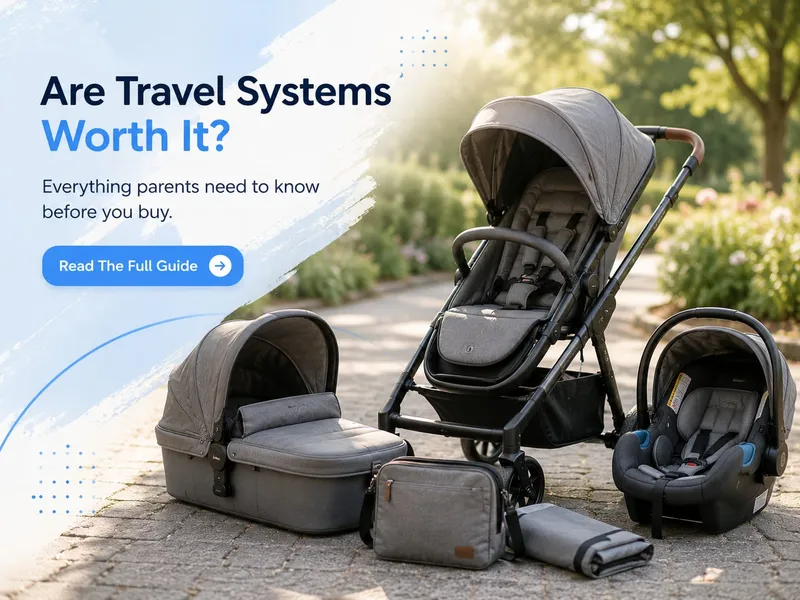
Introducing Travel Systems: A Convenient Choice for Parents?
If you’re a new parent or soon-to-be, you may have come across the term travel system. But what exactly does it mean, and is it the right choice for you? A travel system typically includes a car seat that can easily attach to a stroller, allowing you to transition smoothly between the car and on foot. This convenience can be a game changer during those hectic early days with a newborn.
In this article, you’ll take a closer look at the pros and cons of travel systems. We’ll discuss key benefits like convenience and compatibility, while also addressing potential downsides such as size and price considerations. Whether you’re exploring options at retailers like John Lewis or Mothercare, you’ll find everything you need to make an informed decision about infant transportation.
What Are Travel Systems?
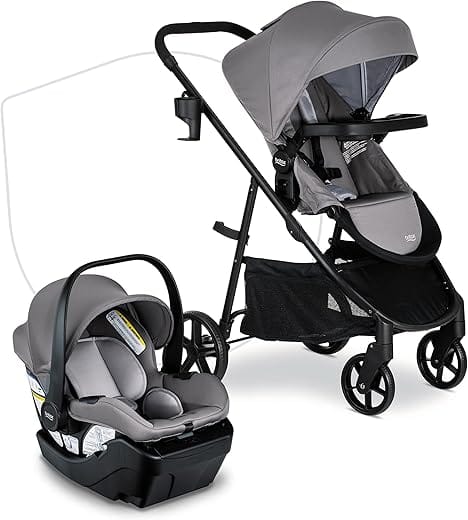
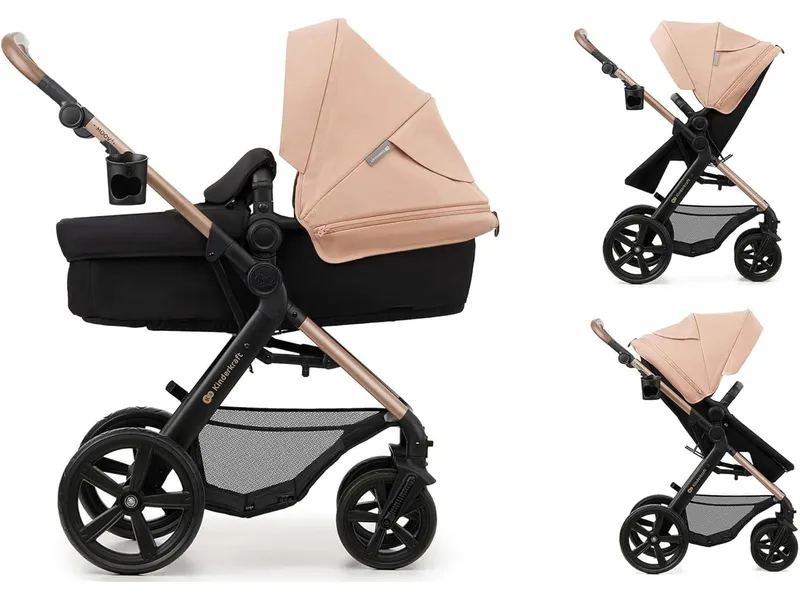
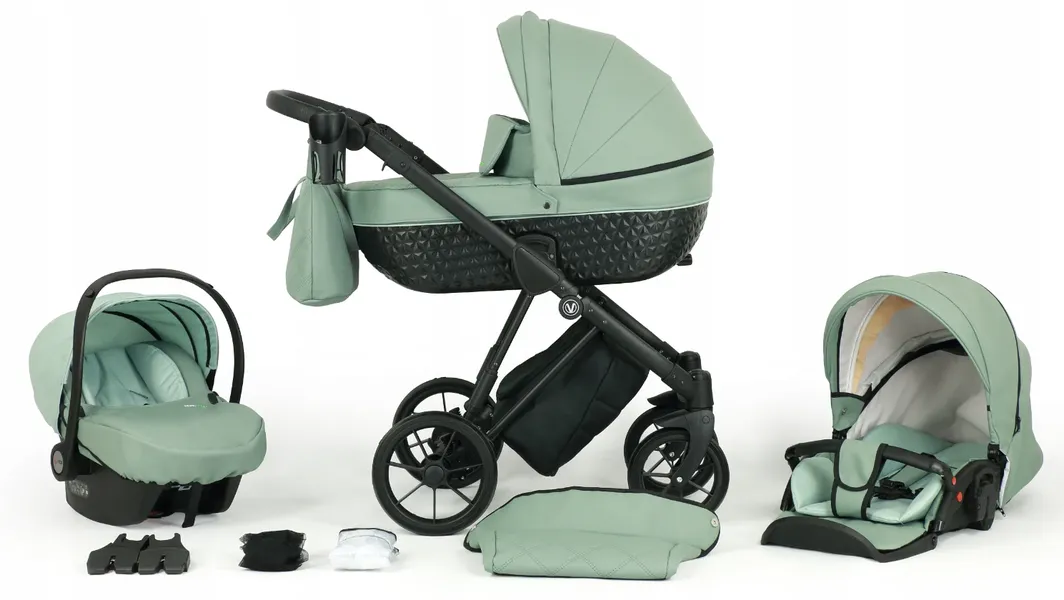
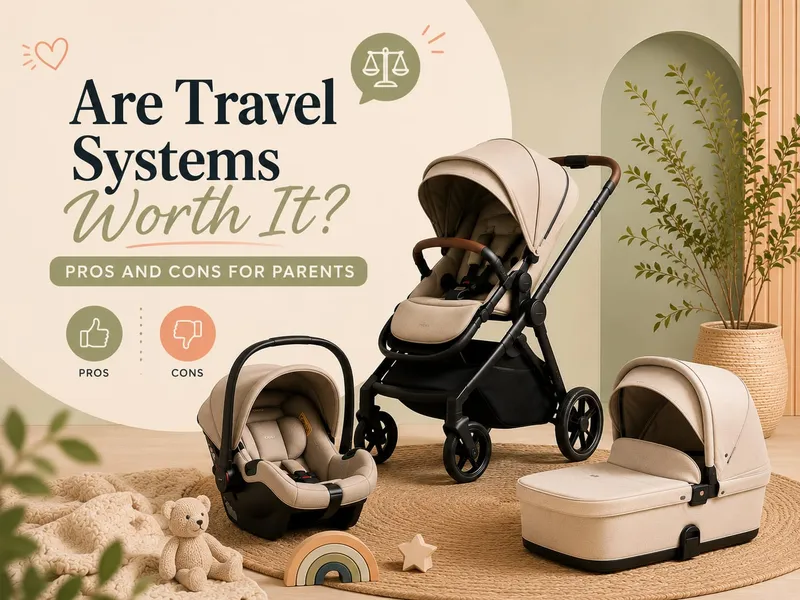
Travel systems are an innovative solution designed to make life easier for parents on the go. Essentially, a travel system consists of two main components: a car seat and a stroller. The beauty of a travel system lies in how seamlessly these items work together, offering you an integrated transport solution from car to foot in just a few simple steps.
The Components
Car Seat: This is the heart of any travel system. Your little one will remain safe and snug in a rear-facing car seat, which typically features a sturdy base that can stay in your vehicle. Many travel systems allow you to detach the car seat effortlessly and secure it onto the stroller frame without the need for any additional adapters.
Stroller: The matching stroller usually has a versatile frame that can accommodate the car seat and also provides a dedicated seat for your child as they grow. Strollers in travel systems often come with features like adjustable canopies, reclining seats, and large storage baskets, making it easier for daily outings.
Functionality in Action
Imagine you’re heading to the park for a family day out. After loading your baby into the car seat in your vehicle, you drive to your destination, where you can quickly detach the seat and click it into the stroller frame. This saves you the hassle of waking your baby to transfer them from the car seat to the stroller. Once you’re at the park, the stroller’s spacious design can easily accommodate picnic supplies, toys, or shopping bags.
Real-Life Scenarios:
Travel systems can be a game-changer for parents, providing ease and efficiency during everyday activities. To give you a clearer picture of how they fit into real life, here are relatable examples from UK parents who have experienced both the benefits and challenges of using travel systems.
A Trip to the Supermarket
Picture this: it’s a busy Saturday, and you’re heading to your local Tesco with your little one. The beauty of a travel system shines here. You pull into the parking lot, grab your bundled-up baby in their car seat, and instead of transferring them to a stroller, you simply detach the car seat and click it onto the stroller frame. This quick swap keeps your baby undisturbed, allowing you to navigate the aisles seamlessly. As you shop, the built-in storage basket holds all your essentials—nappies, snacks, and even your shopping list—making grocery shopping feel lighter and more manageable.
Navigating Public Transport
For urban parents, commuting is often by public transport. Consider this scenario: you need to take a bus to visit your best mate in London. You wheel your travel system to the bus stop, but as the bus arrives, you realise it’s crowded. Here, the size and weight of the travel system become a concern. Maneuvering through the narrow aisle with a hefty pram might feel daunting, and you might need to collapse the stroller to ease your path. Although it’s a learning curve, many parents have learned to master the art of getting on and off public transport with practice.
Family Days Out
Now, envision a sunny day at a park in Manchester. The expansive stroller feature of your travel system allows your newborn to nap peacefully while you enjoy coffee with friends. The adjustable canopy protects against the sun, creating a comfortable space for your little one. However, when it comes time to pack up and walk back to the car, the stroller’s bulkiness may rear its head. Folding it down while juggling bags and ensuring your baby is still secure can be tricky. Many parents emphasise the importance of being prepared for these moments and recommend practicing folding and unfolding the system at home to make the process smoother.
The Transition Stage
As your baby grows, you might experience the transition from car seat to stroller seat, which can feel daunting. One parent shared how initially, their little one preferred the snug, comfy car seat during outings. Eventually, as the baby adjusted, they began to love sitting up in the stroller, observing the world. This adaptability of a travel system often lightens parental stress, offering versatile solutions to growing needs.
These real-life scenarios provide an insightful glimpse into the practical use of travel systems. You’ll find they can fit seamlessly into various aspects of your life, but there may be moments that require thoughtful consideration and adjustment.
Why Choose a Travel System?
Travel systems are particularly popular among new parents for several reasons:
- Ease of Use: No more juggling multiple items while trying to manage a baby. Everything you need is instantaneously available at your fingertips.
- Safety Integration: Since the car seat and stroller are designed to work together, you can be assured they’ll meet safety standards when used as a set.
- Cost-Effective: Purchasing a travel system can save you money compared to buying separate items, particularly if you’re set on a specific car seat and stroller pair.
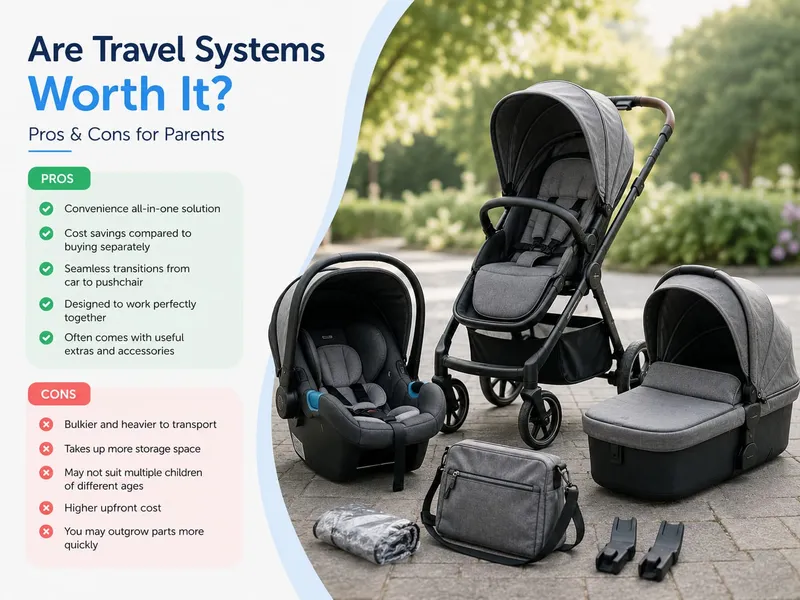
Pros of Travel Systems:
When it comes to parenting, convenience is key, and that’s where travel systems shine. You’re likely juggling numerous tasks while managing a young baby, and achieving efficiency in your daily routine can make all the difference. So, why do many parents opt for travel systems? Let’s explore the major advantages that make these travel options so appealing.
Seamless Transition
One of the standout features of travel systems is the seamless transition between car and stroller. The car seat attaches effortlessly to the stroller frame, allowing you to move your baby without the hassle of waking them. For example, imagine your little one has finally drifted off to sleep during a drive. Instead of risking a noisy transfer, you simply remove the car seat and click it into the stroller. This quick and smooth operation is invaluable, especially during those early months when sleep is a precious commodity.
Compatibility and Safety
Travel systems are designed with compatibility in mind, which eliminates the concern of mismatched products. The car seat and stroller are crafted to fit together perfectly, ensuring safety and stability. This integration means you can trust that the materials and design meet stringent safety standards. For instance, popular brands like Silver Cross and Bugaboo place a strong emphasis on creating safe and stylish travel systems that provide peace of mind for parents.
Space-Saving Design
When you’re out and about, space can often be at a premium. Travel systems typically feature a compact design that makes storage and transport easier. Many strollers fold down quickly and fit neatly into car boots, reducing the headache of space management when you’re out shopping or visiting friends. Models like the Chicco Bravo Quick-Fold Travel System not only offer easy folding, but also come with a built-in storage basket for essentials—think nappies, wipes, or even a cheeky snack!
Comprehensive Features
Another reason travel systems are popular is their comprehensive feature set. Many come equipped with adjustable canopies for sun protection, reclining seats to keep your baby comfortable, and sturdy storage options. Consider the Mamas & Papas Ocarro Travel System, which includes an adaptable seat unit and a deep, padded carrycot. Such features contribute to an all-in-one solution that grows with your baby, accommodating their needs from infancy through toddlerhood.
Potential Drawbacks:
While travel systems offer numerous benefits, it’s also essential to examine their potential downsides, particularly concerning their size and price. Understanding these factors may help you make a more informed choice tailored to your lifestyle.
Size Matters
One of the most apparent drawbacks of travel systems is their bulkiness. Since these systems are designed to carry a car seat and a stroller in one package, they can often be heavier and larger than standalone options. For instance, if you’ve ever tried to manoeuvre through a crowded café or navigate your way onto public transport with a full travel system, you might have found it a tad cumbersome.
Storage Space: When you’re not using the travel system, storage can be an issue. Not all homes or vehicles have the capacity to accommodate a large pram. You might find yourself struggling to fit a travel system in a small boot or needing additional space in your hallway.
Weight: Some parents may find the combined weight of the car seat and stroller a bit much, particularly for longer outings. If you plan frequent trips to places like Westfield or local parks, this could become a significant consideration, especially in the context of lifting the system in and out of your car.
Price Considerations
Travel systems can often come with a higher price tag compared to purchasing a standalone car seat and stroller separately. This cost is due to the convenience and integrated functionality of travel systems.
Budget Constraints: Many systems range from £200 to over £1,000, depending on the brand and features. If you are working with a tight budget, this can make it challenging to justify the investment.
Long-Term Use: While buying a travel system might seem economical compared to purchasing separate items, consider how long you’ll actually use it. As your child grows, you might find that you prefer using a more lightweight stroller or that the car seat outgrows your child quicker than anticipated.
Cost-Effective Alternatives: If the price tag is a concern, exploring individual options might result in greater savings or better tailored products. Mixing and matching a high-quality standalone car seat with a compatible lightweight stroller can often help you strike the balance between functionality and budget.
Safety Features:
What to Look For
When it comes to selecting a travel system for your little one, safety should always be top of mind. With so many options available, it’s essential to know what safety features to consider during your search. Let’s delve into the crucial aspects that can help ensure your baby is secure while you’re out and about.
Safety Ratings and Certifications
Before you even lay eyes on a travel system, take the time to research safety ratings. Look for products that comply with UK safety standards, such as those set by the Department for Transport and endorsed by the British Standards Institution (BSI). The latest testing methods evaluate how well a car seat performs in a crash, so choosing one with a high safety rating can provide you with peace of mind.
- Group Ratings: Car seats are typically categorized into groups based on the child’s weight and age. Make sure the travel system you choose fits securely into the appropriate group for your child’s current and future needs.
Harness Systems
A reliable harness system is key to keeping your baby safe when using a travel system. Look for:
- 5-Point Harness: This type of harness secures your child at the shoulders, waist, and between the legs, providing optimal stability. Ensure it’s easy to adjust as your baby grows.
- Padded Straps: Padded straps enhance comfort while providing necessary security. Check that they are adjustable, allowing for a snug yet gentle fit around your child’s body.
Base Stability
The stability of the car seat base plays a critical role in your baby’s safety. Here are a few points to consider:
- ISOFIX Base: Travel systems that incorporate ISOFIX bases are easier to install and provide a more secure connection to your vehicle. Look for models that include a visual indicator to show the base is properly fitted.
- Non-Slip Footprint: Some bases come with a non-slip footprint that helps to prevent movement once secured, which can be particularly beneficial during sudden stops.
Extras for Added Protection
In addition to the core safety features, some travel systems offer extra measures for your child’s protection:
- Side-Impact Protection: Choose a car seat that includes additional cushioning or an energy-absorbing frame to mitigate the effects of side collisions.
- Canopy with UV Protection: A good canopy not only shields your baby from the sun but should also incorporate UV protection. This keeps your little one safe from harmful rays while travelling, especially during the warmer months.
Alternatives to Travel Systems:
What Are Your Options?
If you’ve weighed the pros and cons of travel systems and still feel uncertain, don’t worry! There are several alternatives you can consider that might better fit your family’s lifestyle. Let’s dive into some options that provide versatility and flexibility while still ensuring you have the essentials for safe and comfortable travel with your baby.
Separate Stroller and Car Seat
One popular alternative is to purchase a standalone car seat and a separate stroller. This approach allows you to select each component based on your specific needs.
Car Seat Choice: Look for a well-rated infant car seat that aligns with your vehicle’s isofix compatibility. Brands such as Maxi-Cosi and Britax offer great options that can fit snugly and securely.
Stroller Selection: Choose a lightweight, easy-fold stroller that suits your lifestyle. For instance, the Babyzen YOYO+ is compact and highly manoeuvrable, making it ideal for navigating busy streets or public transport.
This option gives parents the flexibility to mix and match features and focuses on what fits best. If your car seat is compatible with your chosen stroller, you can still enjoy the convenience of easily transferring your sleeping baby without disturbing them.
Multifunctional Strollers
For parents who might be short on space or want a simplified system, multifunctional strollers can be a brilliant choice. These versatile strollers often convert from a pram to a stroller seat, or even have car seat adapters included.
Models to Consider: Products like the Silver Cross Wave or Bugaboo Fox offer seamless transitions from car seat to stroller, which can be particularly beneficial for newborns and older babies alike.
Dual Purpose: Many of these strollers come with added features like storage compartments, easier folding mechanisms, and adjustable handling, meaning you can switch between modes quickly and easily.
Travel-Friendly Options
If you love to travel and frequently go on holiday, you might consider a more travel-friendly option. Compact and lightweight strollers designed for air travel can make life less stressful on family holidays.
Travel-Specific Models: The Maclaren Quest or Summer Infant 3Dlite Stroller are designed to be lightweight and easily collapsible, making them perfect companions on journeys—be it an airport dash or a day out exploring.
Ease of Use: These strollers often come with travel-friendly features such as shoulder straps for easy carrying and storage bags to protect them while travelling.
Considerations for Choosing Alternatives
Here are a few points to keep in mind when considering alternatives:
Lifestyle Fit: Evaluate your typical activities. Do you take public transport often, or do you drive and park at your destination? Your daily routine can heavily influence your choice.
Space and Storage: Assess your living space as well. If storage is limited, look into more compact options that fit your environment.
Budget Constraints: Understand your overall budget. Sometimes, buying separate items can save you money or allow you to invest in higher-quality components.
These alternatives can help you create a system that is both practical and tailored to your specific needs. As you explore your options, think about what features matter most to you and your baby. Every family is different, and understanding your individual situation will set you on the path to finding the perfect travel solution.
Now that you’ve explored both travel systems and their alternatives, let’s wrap things up by making the right choice for your family.
Making the Right Choice for Your Family
In conclusion, weighing the pros and cons of travel systems is essential for making the right choice for your family’s needs. Their convenience and compatibility can significantly simplify your outings with little ones, but potential drawbacks like size and cost should also be considered. By understanding the safety features to look for and exploring real-life scenarios, you can tailor your decision to fit your lifestyle.
Ultimately, whether you choose a travel system or opt for alternatives, what matters most is finding the best fit for you and your child. Don’t hesitate to visit local retailers such as Mothercare or John Lewis, where you can try out options first-hand. Take your time, do your research, and invest in a travel solution that enhances your family adventures across the UK.

I just got a travel system for my little guy and honestly, it’s been a lifesaver! Love how easy it is to transition from car to stroller without waking him up. 🤱✨ But I do get how some might find them bulky. Has anyone else felt the same? Would love to hear your experiences!
Thanks for sharing your experience, Emily! The convenience is definitely a major plus for many parents.
I totally agree with you! But I have a compact car, so size is a big issue for me. 😅